Roxboro's Surprising Past: More Than Just Another Carolina Town
Delve into the rich and unexpected history of Roxboro and Person County, from its foundational moments and industrial heart to a remarkable, yet tragic, connection to the RMS Titanic.
AI-generated image
What truly defines a place? Is it its current vibrancy, or the rich tapestry of its past that shapes its present? For Roxboro and Person County, the answer lies squarely in the latter, offering a narrative far more compelling and interconnected than many might realize, from its founding to an unexpected tie to one of history's most iconic maritime disasters.
Our corner of North Carolina is often seen through the lens of its modern community, but a deeper look reveals layers of history that speak to a resilience and character forged over centuries. From the revolutionary spirit that birthed its very existence to the industrial shifts that powered its growth, Person County holds stories vital to understanding its enduring appeal and, as we'll see, even its connection to global events.
Forging a County: Roots in Revolution
Person County's origins are deeply embedded in the post-Revolutionary War era of North Carolina. It was formally established in 1791, with the act taking effect on February 1, 1792, carved out from what was then Caswell County, and named after a Revolutionary War figure. Roxboro quickly emerged as the designated county seat, a decision that cemented its place at the administrative and cultural heart of the new county. This foundation isn't just a historical footnote; it speaks to the thoughtful planning and ambition that characterized the early development of our state, laying the groundwork for the community we know today. Exploring these initial settlements helps us appreciate the deliberate choices that shaped our local identity.
Mill Town Life: The Engine of Early Growth
While the agricultural backbone of the Piedmont region is well-known, Roxboro also found its stride through industry. The period leading up to the 20th century saw the rise of significant manufacturing, with establishments like the Roxboro Cotton Mills playing a crucial role. Before 1900, these mills would have been more than just places of employment; they were economic engines that attracted families, built communities, and spurred the growth of the town around them. This industrial heritage underscores a vital period of transformation for Roxboro, showcasing how local ingenuity and enterprise contributed to the broader economic fabric of North Carolina. It reminds us that our community's development wasn't purely organic but often driven by purposeful economic ventures that shaped the lives of its residents.
The Unsinkable Link: Roxboro and the Titanic
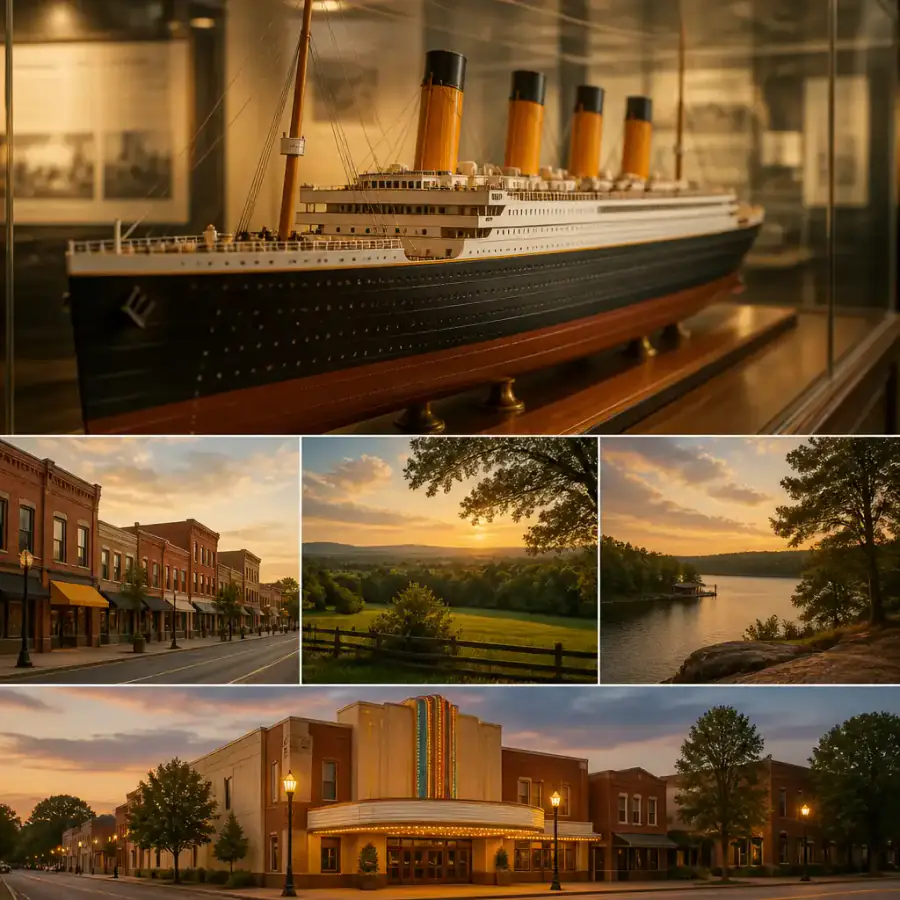
Perhaps one of the most surprising threads in Person County's historical tapestry is its connection to the ill-fated RMS Titanic. The infamous liner, carrying approximately 2,200 passengers and crew on its maiden voyage, tragically sank in 1912. Among those aboard were individuals with direct ties to our community. Oscar Scott Woody, a victualling crew member born in Roxboro, was celebrating his birthday on the ship when it struck the iceberg. His story, and that of at least one other individual described as a "future Personian" by personcountylife.com, form a poignant link between our quiet county and a moment of global tragedy. We believe that these personal narratives, preserved at the Person County Museum of History, offer a profound way to connect with the past, making a distant event feel intimately close. It's a stark reminder that even seemingly isolated communities are interwoven into the larger human story, often in the most unexpected ways.
Embracing Our Heritage Today
For those eager to delve deeper into Roxboro's multifaceted past, the Person County Museum of History stands as an invaluable resource. Its dedicated "Titanic Exhibit," as highlighted by uptownroxboro.com, is a powerful testament to the local connections to this global event. Such institutions are the custodians of our shared memory, offering not just facts and figures, but the human stories that bring history to life. We encourage residents and visitors alike to explore these local treasures. Learning about Oscar Scott Woody, understanding the dynamics of early industrialization, or simply appreciating the revolutionary spirit that founded our county offers a richer context for understanding the Roxboro of today. It's an investment in appreciation for a community that, while perhaps not always in the spotlight, has played its own unique and significant part in the grand narrative of North Carolina and beyond.
More about Roxboro and Person County
- Roxboro's Governor: Unpacking the Complex Legacy of W. W. Kitchin
- Why Roxboro's History Museum is a Must-Visit Treasure
- Hyco Lake: More Than Just a Power Plant's Pond
- North Carolina's Rural Education Pioneers: Why Subscription Schools Still Matter
- Roxboro's Kirby Theatre: A Blueprint for Downtown Revival
- Roxboro's Signature Events: More Than Just Dates on a Calendar
No topics yet: start the first one.
More stories
Why Roxboro's History Museum is a Must-Visit Treasure
The Person County Museum of History offers more than just artifacts; it's a vibrant campus inviting residents and visitors to connect with the roots of our community and the spirit of innovation.
North Carolina's Rural Education Pioneers: Why Subscription Schools Still Matter
Before widespread public education, community-funded subscription schools, exemplified by Person County's preserved Van Hook facility, offered a vital, self-reliant path to learning, shaping the foundations of rural Southern education.

Roxboro's Governor: Unpacking the Complex Legacy of W. W. Kitchin
William Walton Kitchin, a Roxboro lawyer who became North Carolina's 52nd governor, championed progressive reforms while actively participating in white supremacist movements, leaving a complicated historical footprint.